Hospitality linen is judged by the laundry before it is judged by the guest. A sheet that looks beautiful and comes out of a commercial wash creased is a sheet that costs you ironing time every single day.
Polycotton, and why
Most guest houses and hotels run a polycotton blend — commonly 50/50 or 65/35 — and it is a practical decision rather than a cheap one. The polyester in the blend resists creasing, survives a hot wash, dries faster and holds its colour longer. Pure cotton is cooler and feels better to sleep in, and it creases enough that it has to be ironed or pressed to look right.
If you are a small B&B ironing by hand, polycotton will save you more time than any other decision on this page.
What to check before you buy a hundred
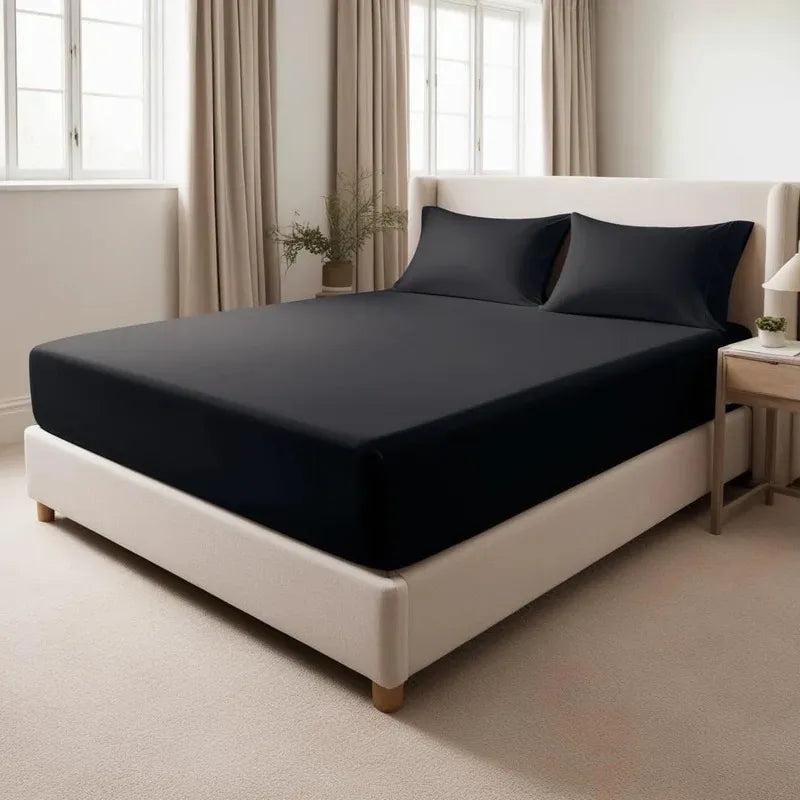
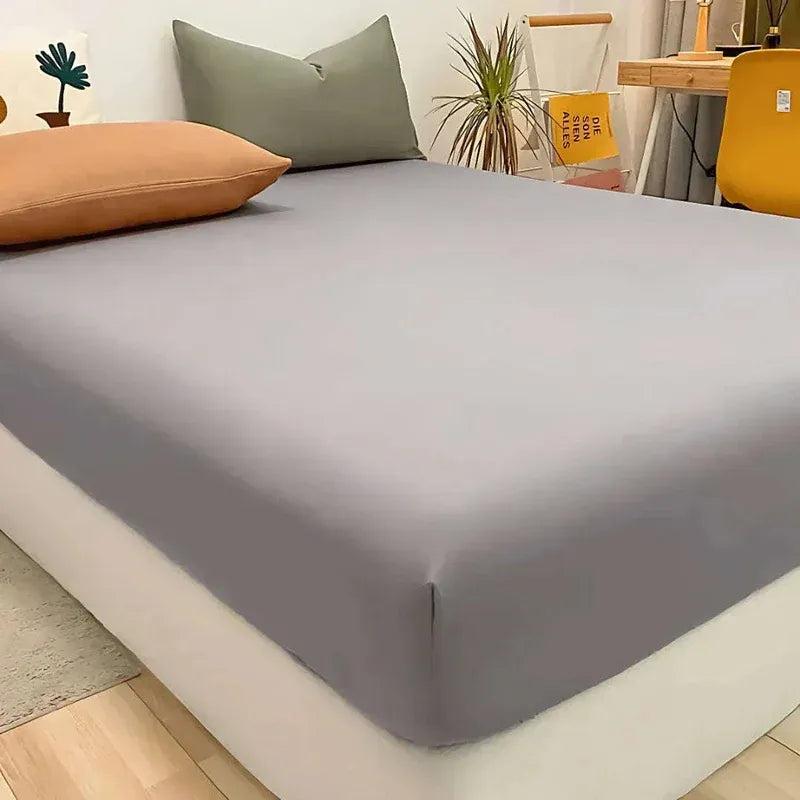
- All-round elastic, stitched into the hem rather than tacked on. Corner-only elastic lifts, and housekeeping will notice before guests do.
- The pocket depth against your actual mattresses, including any topper. Measure one of each type you own.
- Reinforced corners. This is where a fitted sheet tears, every time.
- Colourfastness, so next year's order matches this year's stock.
The flat sheet question
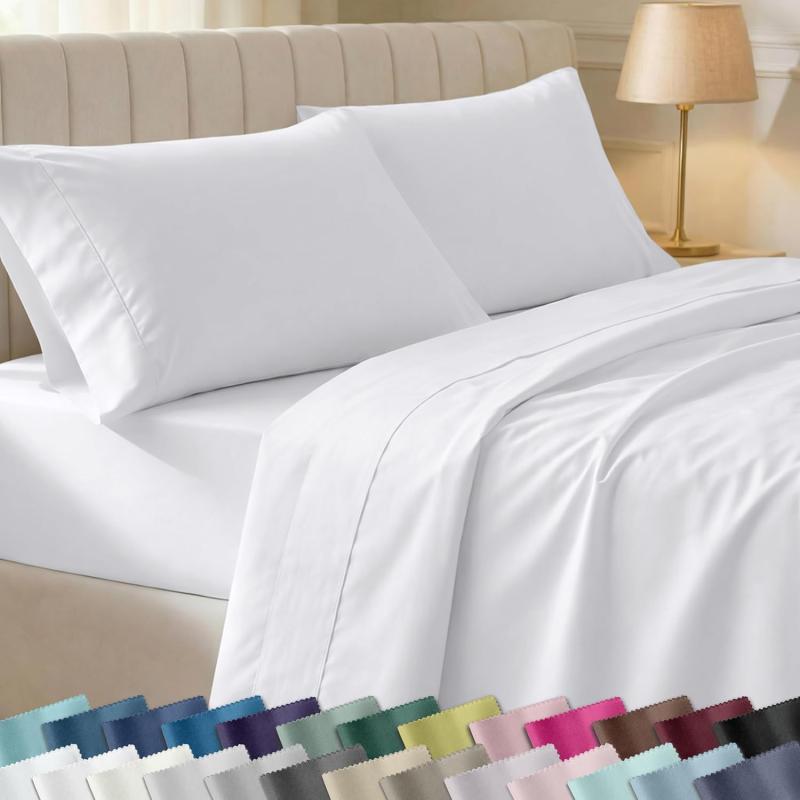
Many households have given up on the flat sheet; hospitality has not, and for a good reason. A flat sheet between the guest and the duvet cover is one more washable layer, which means the duvet itself is washed far less often. It also makes a bed that photographs well, which matters more than it should.
Valances
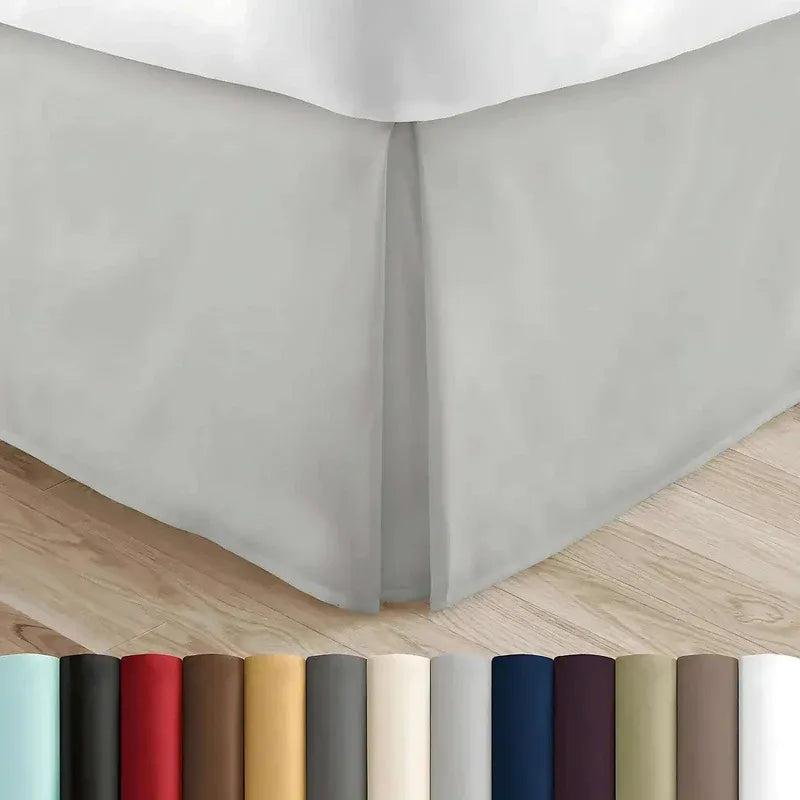
A valance covers the divan base and hides whatever is stored under the bed. In a let it is also the thing that makes a mismatched base invisible. Buy them to the bed size rather than the mattress depth — the drop is what varies.
Par levels
Three sets per bed: one on, one in the wash, one on the shelf. Two is a false economy that shows up the first week you are full.
Our fitted sheets list the pocket depth in the name; the trade account carries the volume pricing. See also buying bedding for a business.